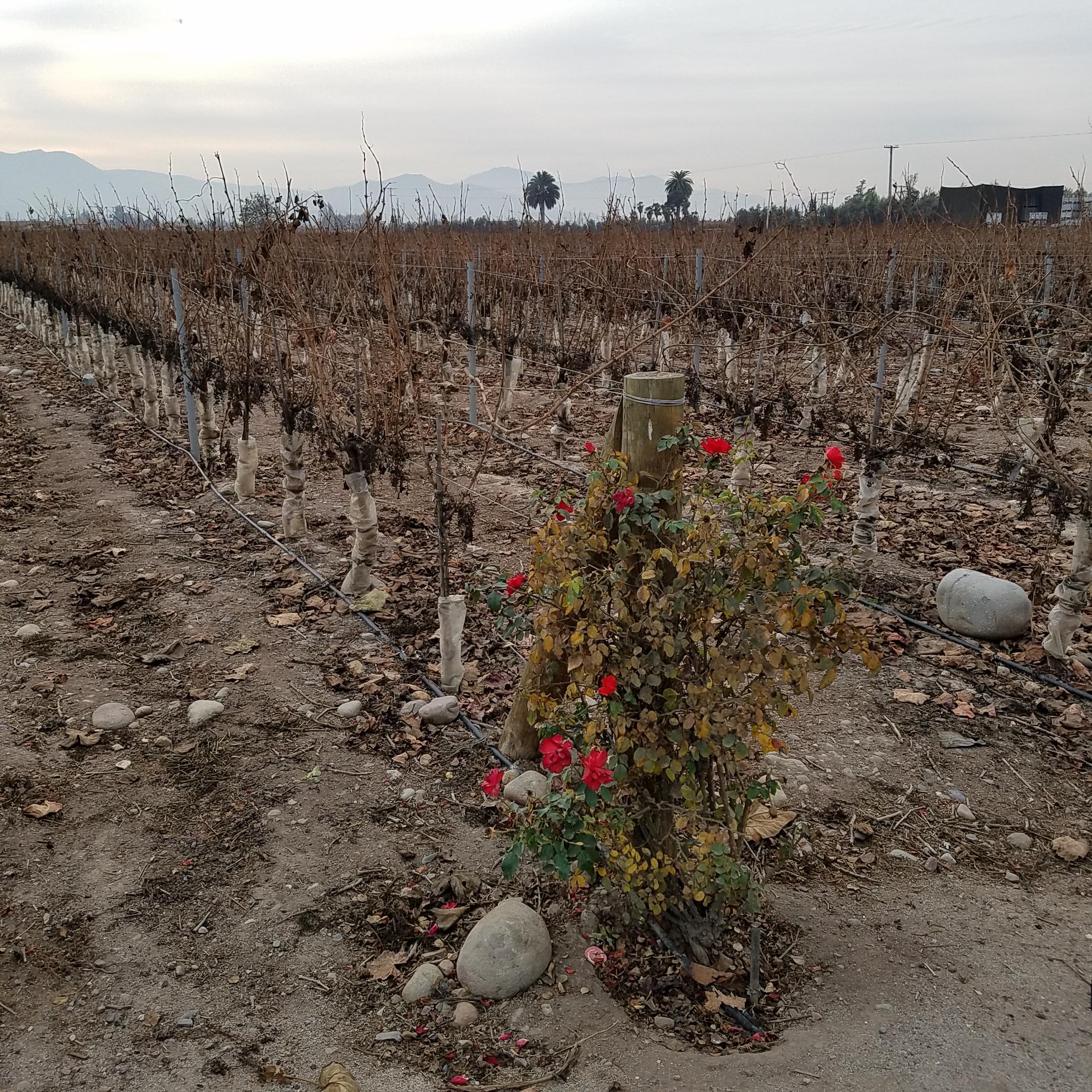
Before I start talking about today’s events, I want to point out something I failed to mention yesterday regarding the wine tour. The first thing I noticed when I got out of the bus was the incredible smell. I closed my eyes and drank in the heady aroma of soil and sweetness. I was surprised because the vines are dormant during late autumn (which it is in Chile).
Another thing I noticed was that rose bushes are planted at the base of many of the rows of grape vines. I was told that originally, roses were planted in vineyards as an early warning system. Roses and grapevines typically have the same type of soil and sun requirements. In addition, both are prone to the infestation of a fungus known as powdery mildew. If this fungus appeared on the roses, the vines were sprayed with sulphur to prevent the grapes from succumbing. Another historic reason for the planting of roses dates to when they used horses to pull the plough. The rose’s thorns were thought to deter the horse from hitting the post at the end of the row.
Nowadays, most vineyards use modern methods to monitor carefully the soil and health of the vines and horses are no longer used. Rose bushes are no longer required, so why are they still in evidence? Some believe that roses are tastier than grape vines to pests, so they draw these damaging insects away from the grapes.
 I had not signed up for this optional tour but when I found out that I was the only one who had not, I decided to opt in. I am glad I did. We drove approximately two hours to Valparaiso through the countryside. As we were leaving Santiago, most of the “residences” were ramshackle huts–thousands of them. Of course, we did not stop for a photo opportunity and the photos I took as we drove do not show the vast slums.

We did stop for a coffee/bathroom break where they were raising llamas and we drove through an area called Casablanca, one of Chile’s most productive grape regions. Chile is very mountainous and I’m pretty sure the guide said that 80% of the country is mountains. We drove through some VERY long tunnels through these moountains before finally reaching Valparaiso.
Valparaiso is a major city, seaport, and educational centre in the commune of Valparaíso, Chile. “Greater Valparaíso” is the third largest metropolitan area in the country. Valparaíso is located about 75 miles northwest of Santiago by road and is one of the South Pacific’s most important seaports.


Valparaíso became a desired stopover for ships rounding South America via the Straits of Magellan and Cape Horn gaining particular importance supporting and supplying the California Gold Rush in the mid-1800’s.. As a major seaport, Valparaíso received immigrants from many European countries, mainly from Britain, Germany, Switzerland, Italy, and France. Unfortunately, the opening of the Panama Canal in 1914 ended much of Valparaiso’s golden era, causing a major decline in their economy. Today, major industries include tourism, culture, shipping and freight transport. Valparaiso was declared a UNESCOWorld Heritage site in 2003.
The hills are steep but well worth traveling–colors abound. The “graffiti” is beautiful art…
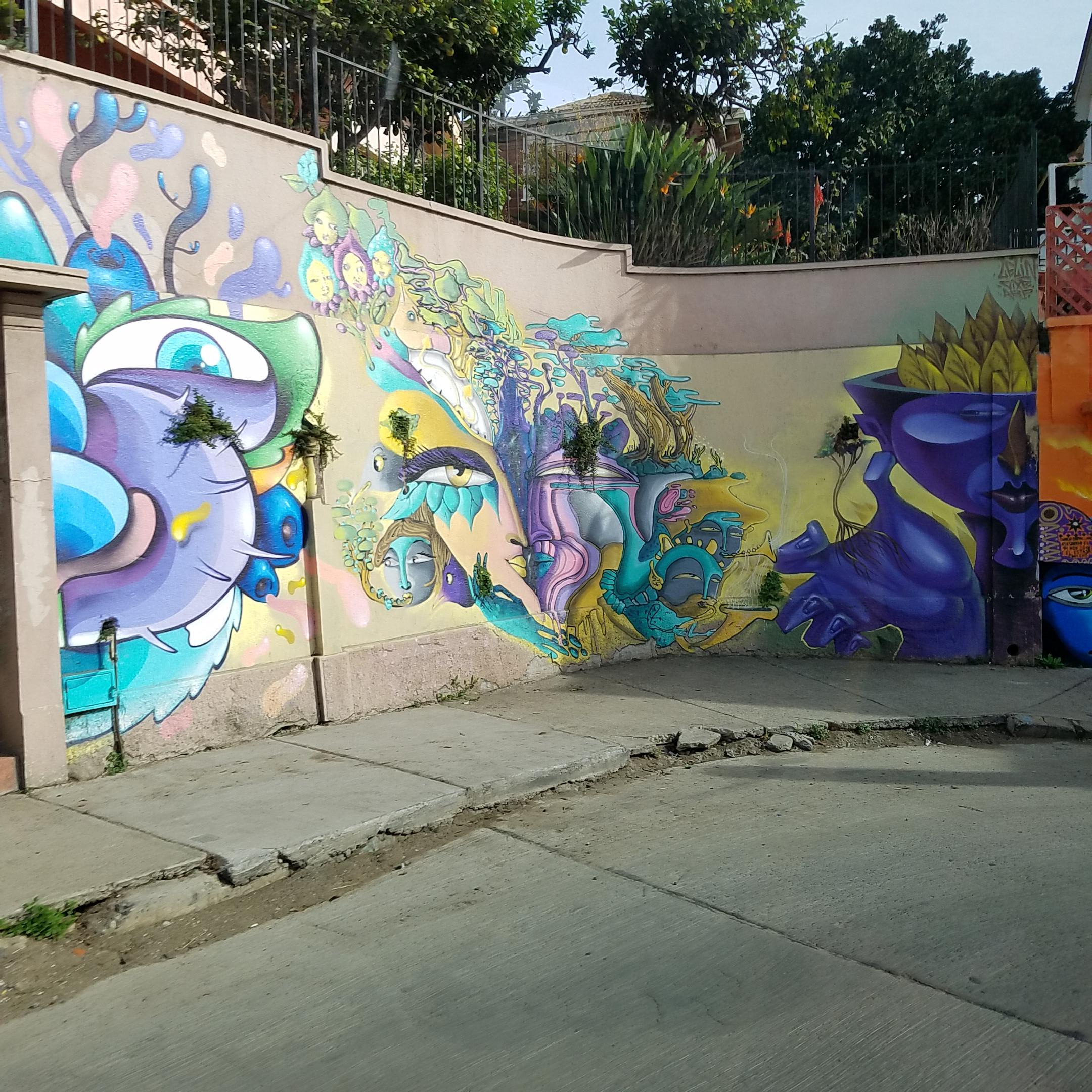
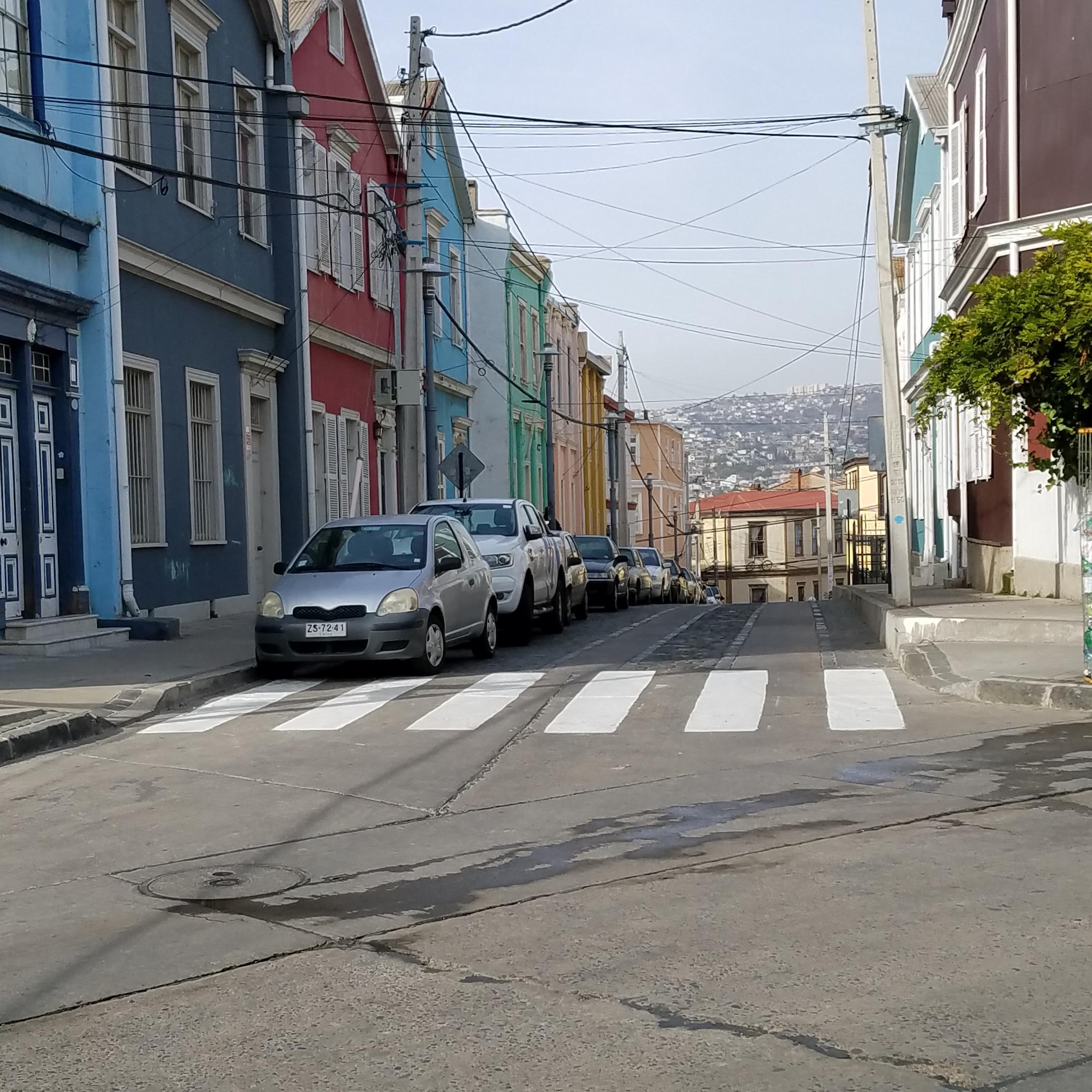
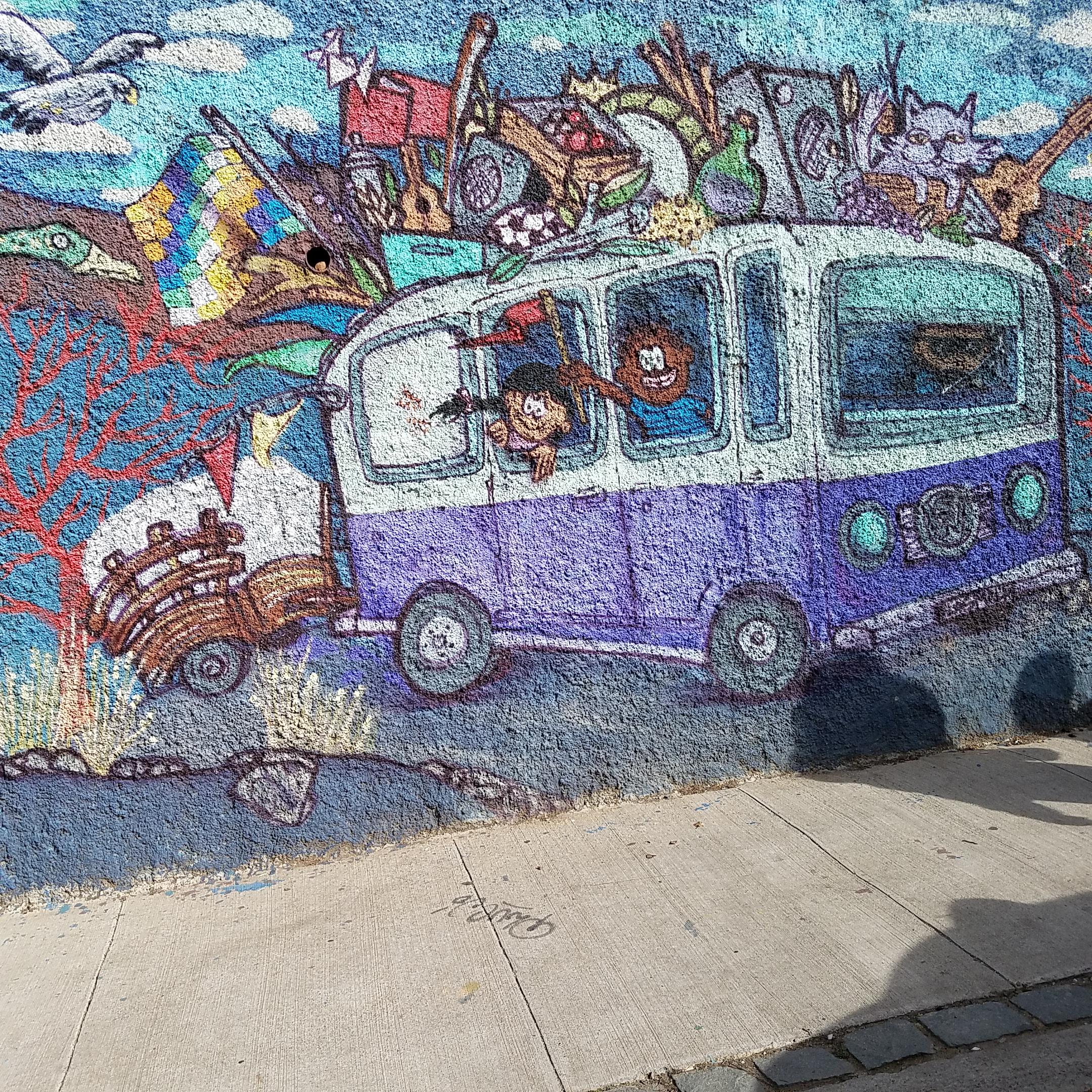
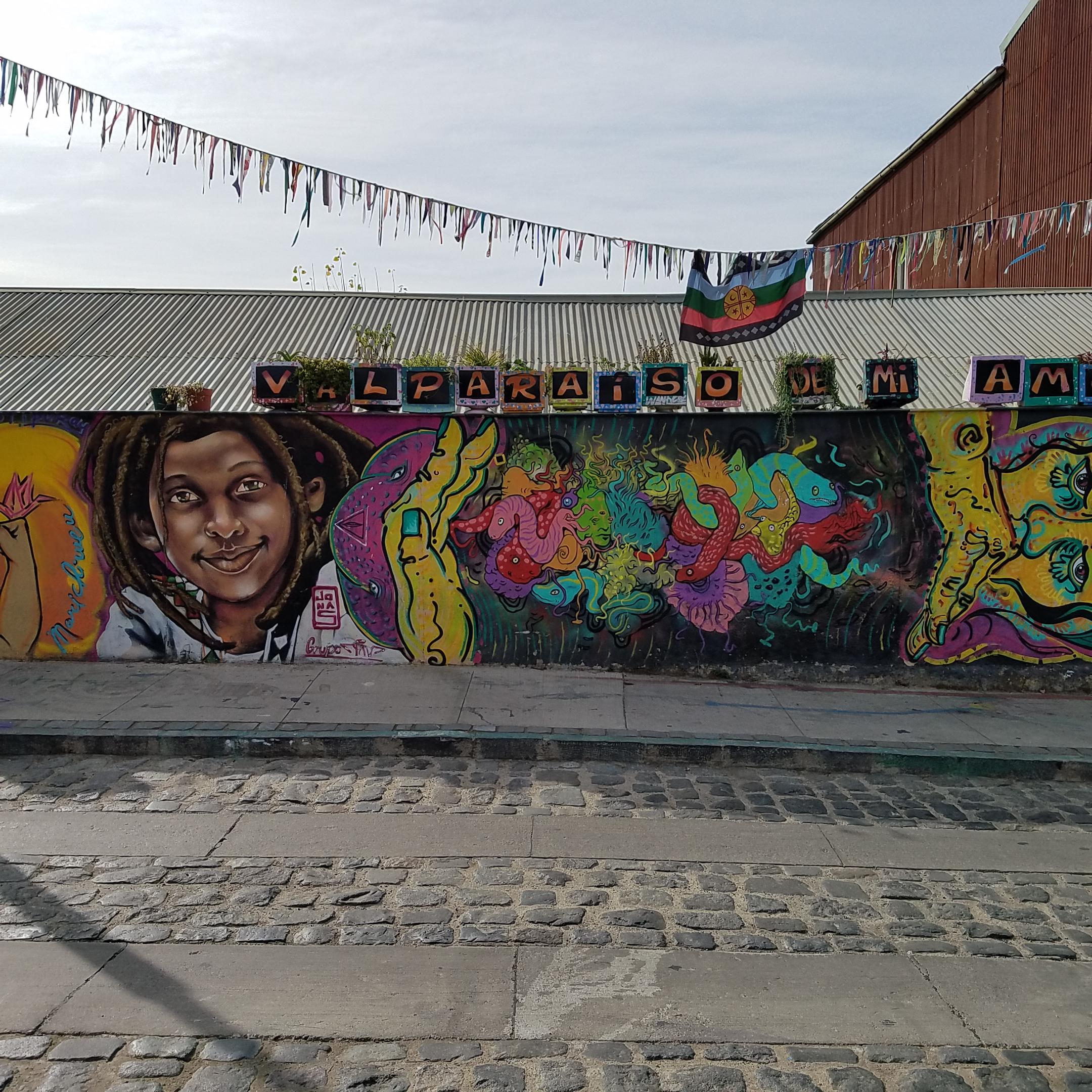

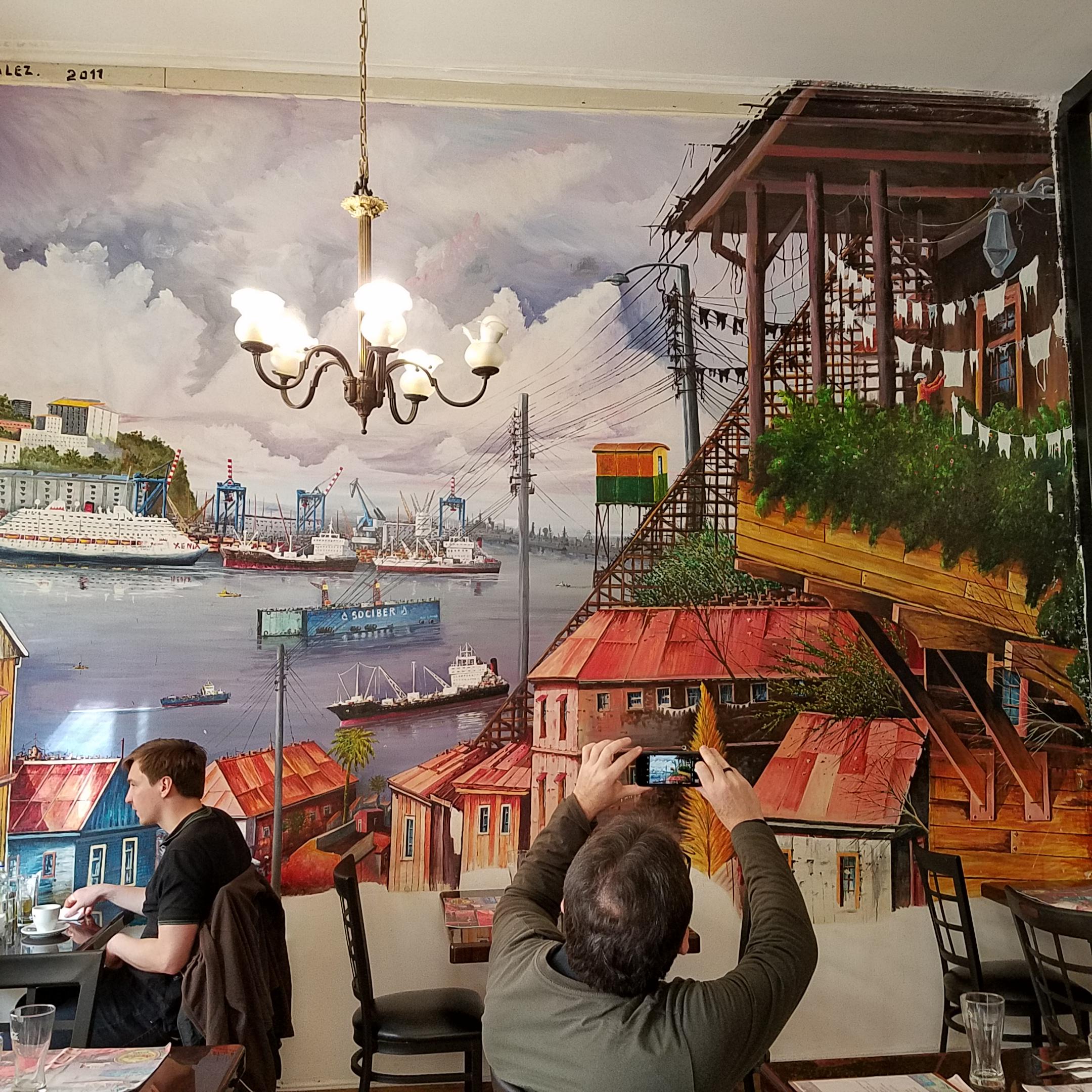

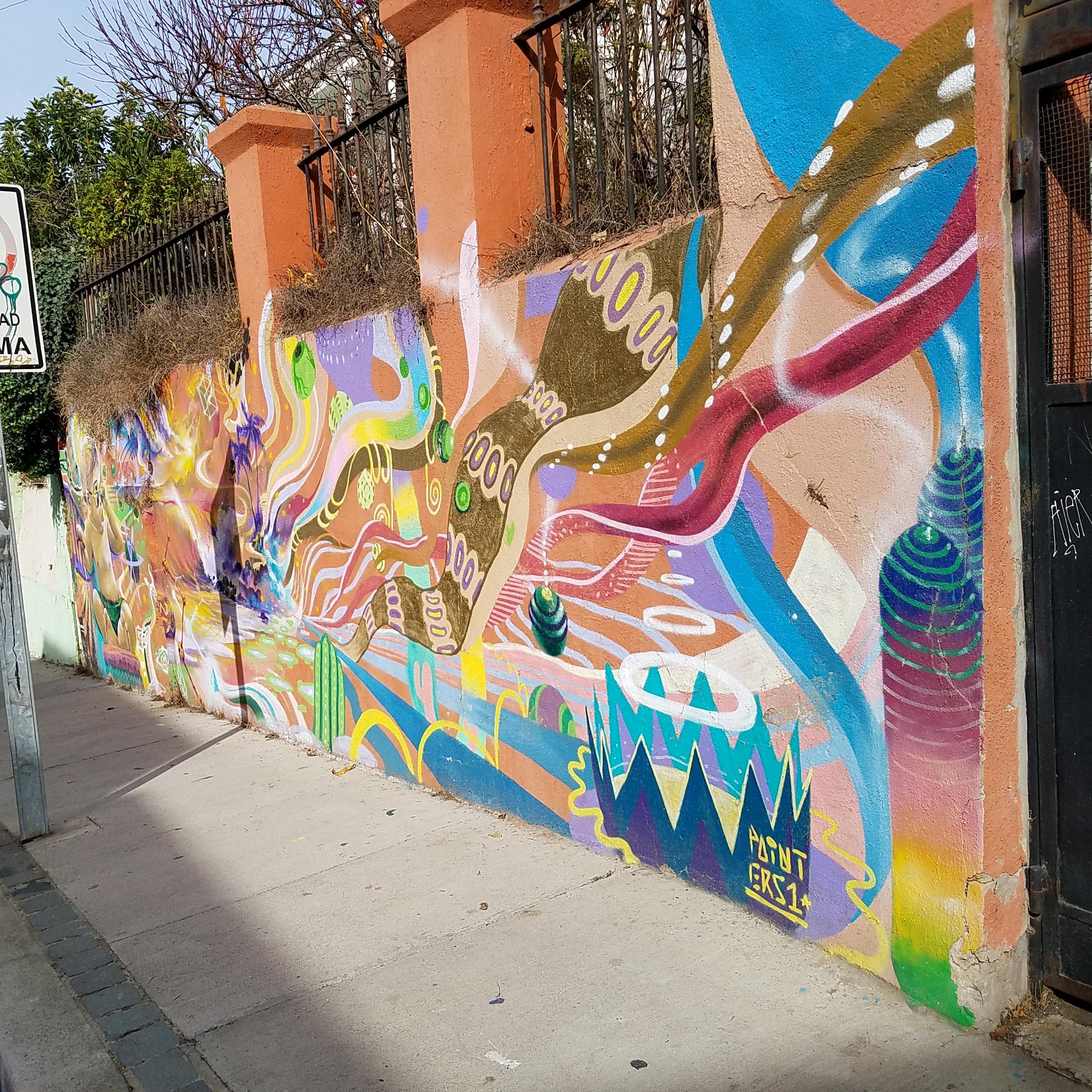
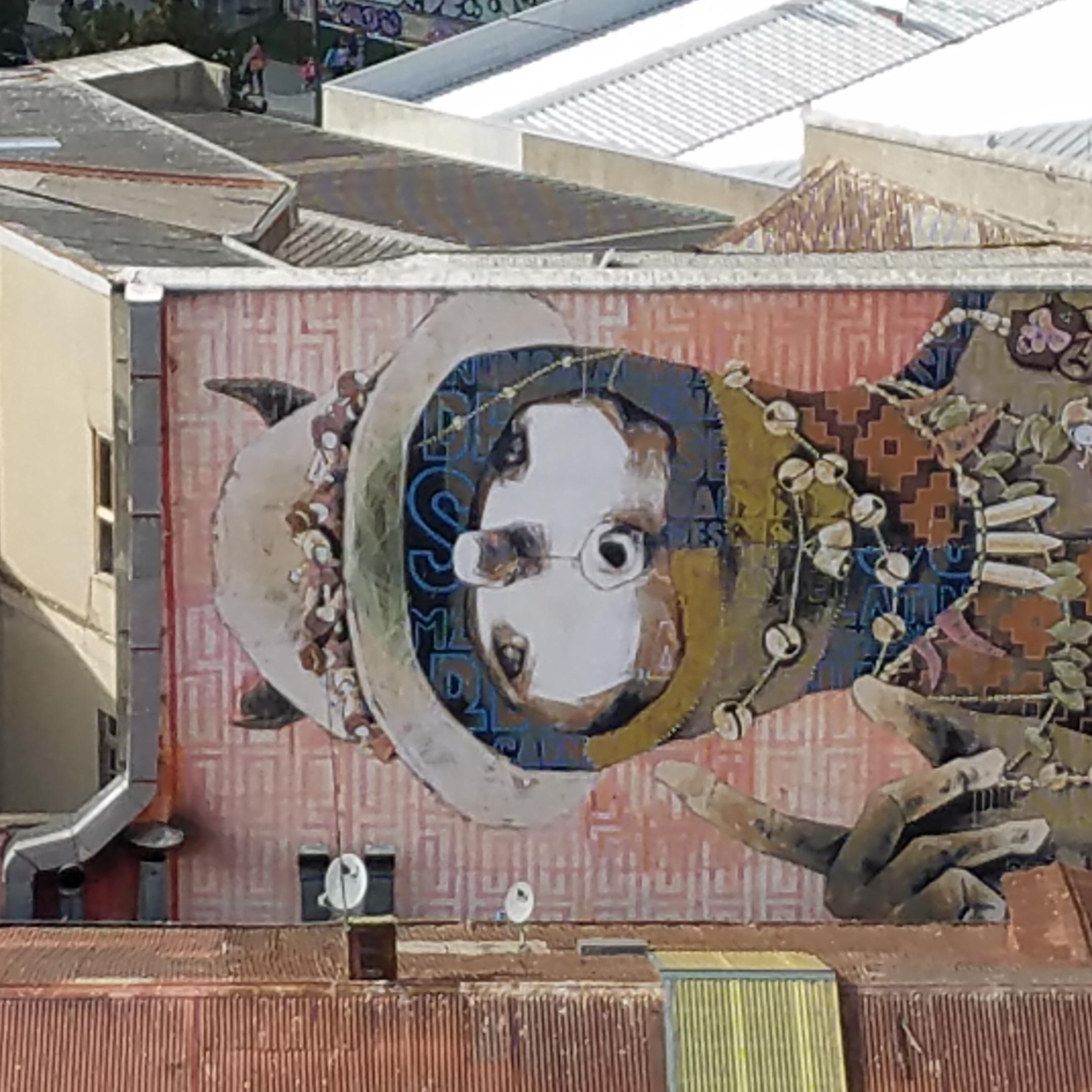
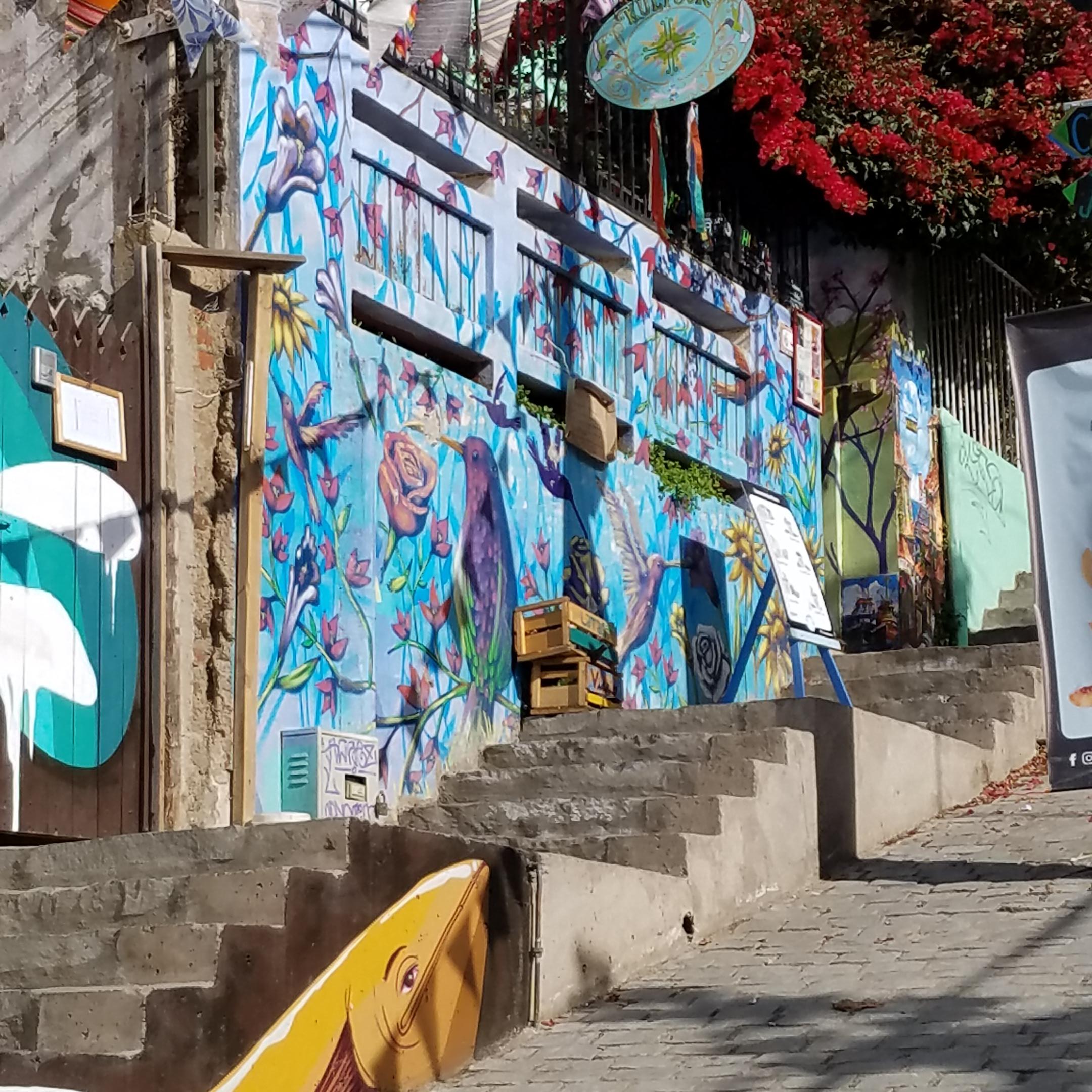

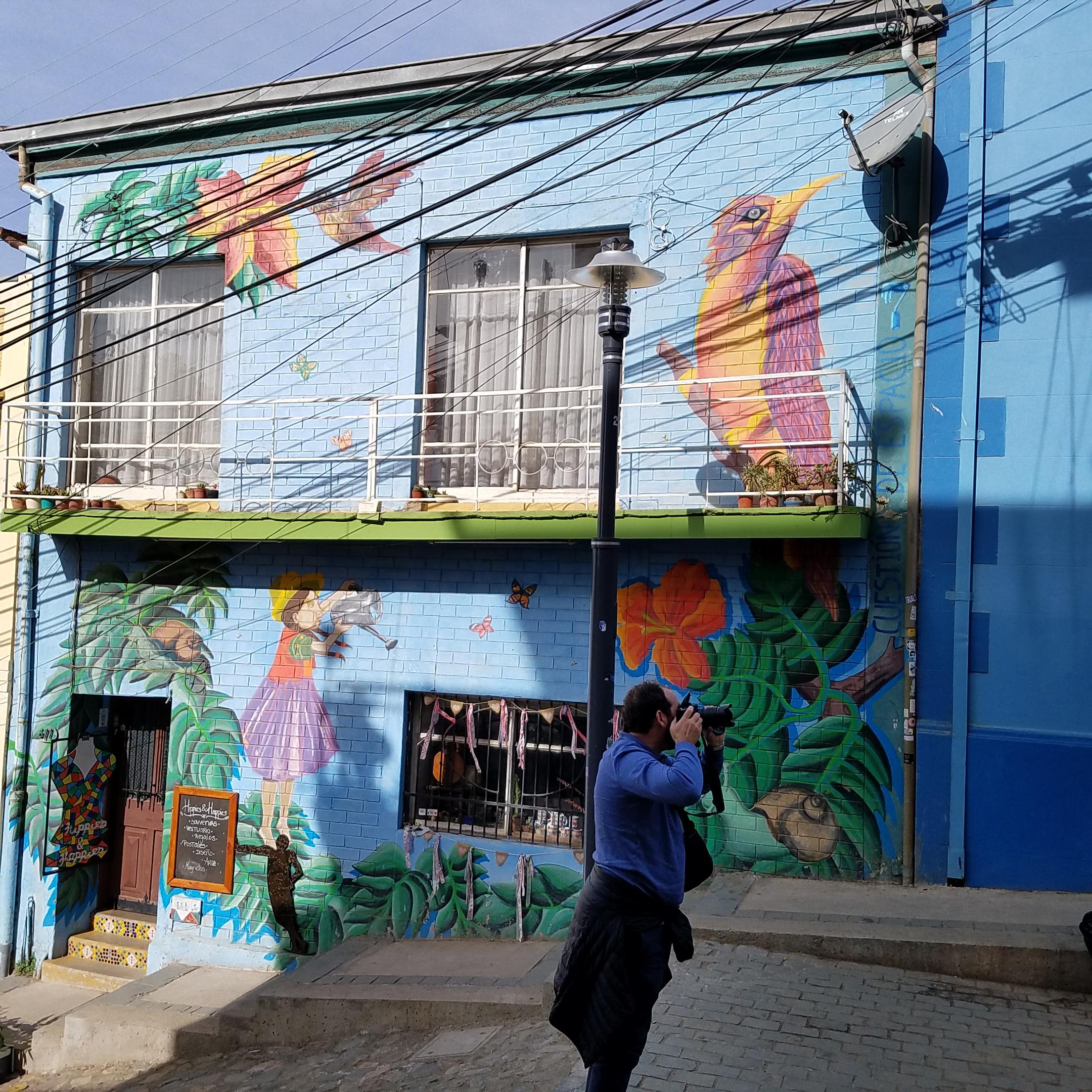
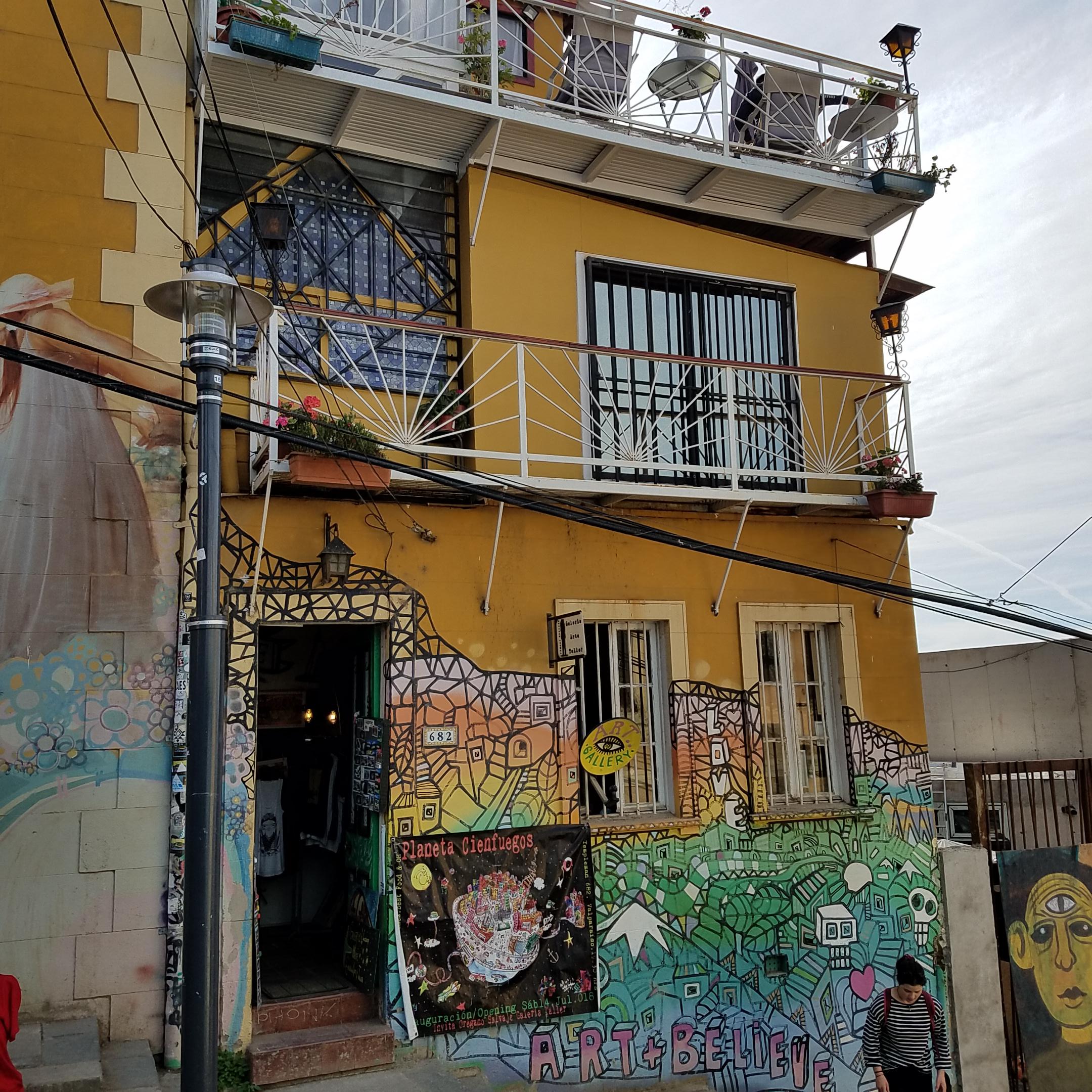
and this was just a very small representation.
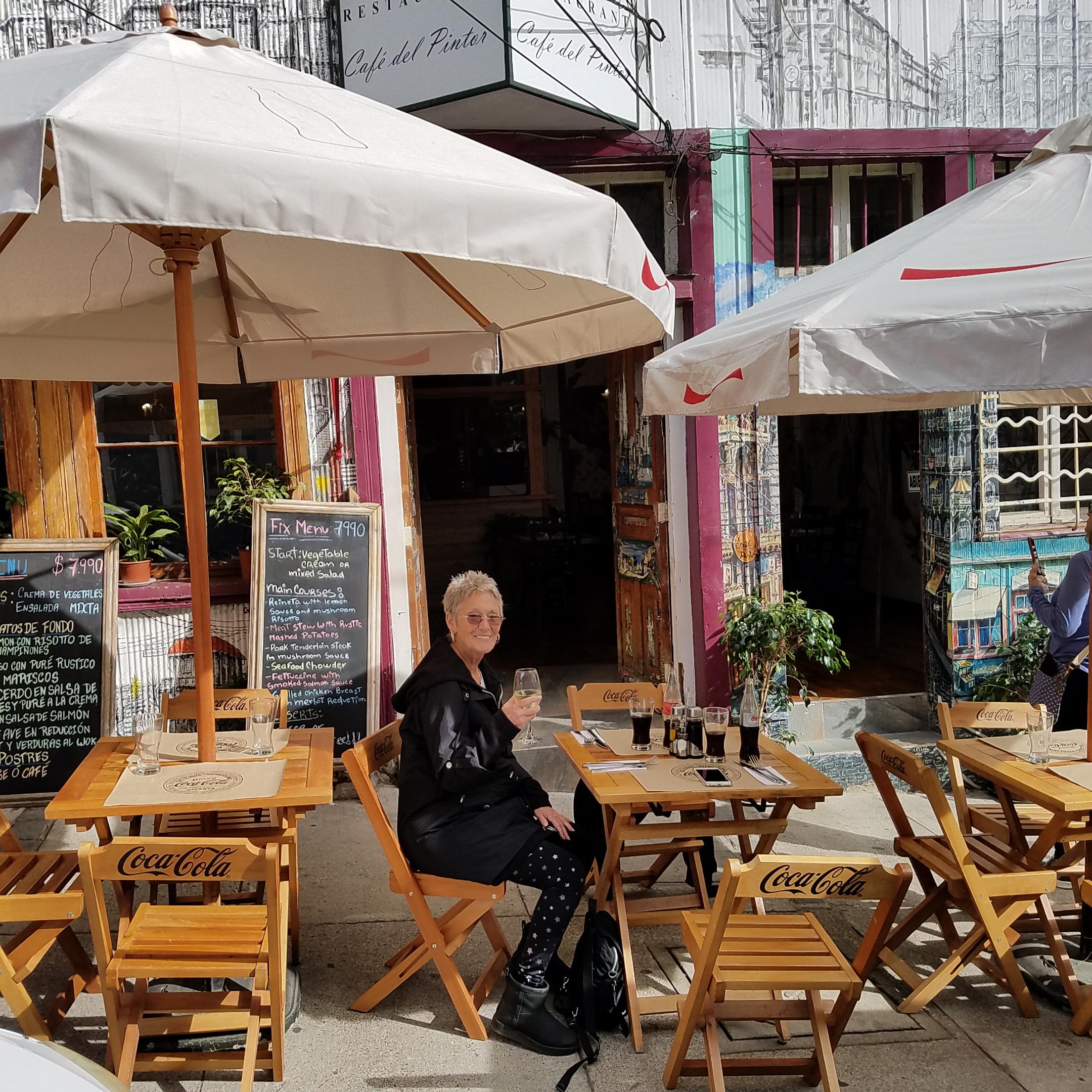
We ate lunch at an adorable little outdoor cafe before taking the funicular back down into the city. Early in the day, we had been driven up to the top and dropped off. We then wandered various streets (with our guide as there is no way we could have figured out how to navigate this very congested and vibrant area. In fact, our guide helped several other tourists who lost their way. We then walked down many, many blocks on extremely narrow sidewalks, and finally traversed the remaining hills via the funicular.
Beautiful views of the Pacific Ocean and the city below.
We got back onto our transport and made our way up the coast to Vina del Mar where we were able to get up close and personal with the Pacific Ocean. A beautiful seaside city, it is fortunate to have a Mediterranean climate.
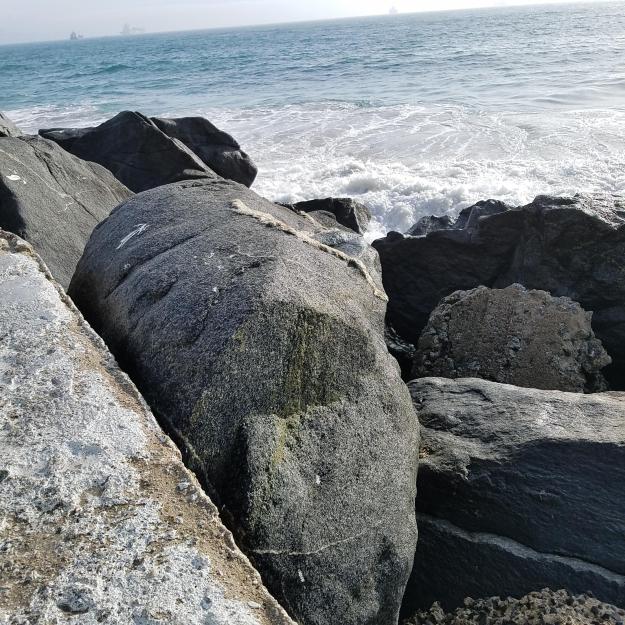
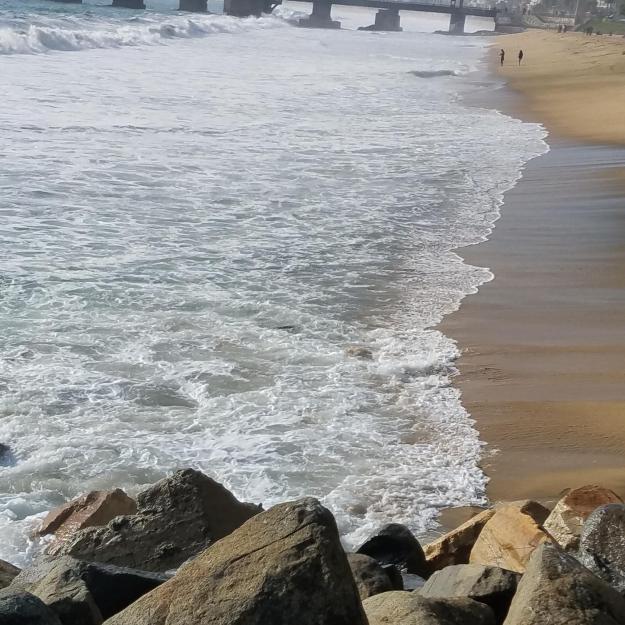


It was a beautiful, relaxing, and informative day. Most of us napped or read on the drive back to Santiago. We had plenty of time to get ready for our final dinner together. Gate 1 (our tour operator) includes several dinners in the tour and, as in Rio de Janeiro, Iguazu Falls, and Buenos Aires, the restaurant selected is top notch. We have always been given selections and tonight I opted for Tuna Tartare as my appetizer, Braised Beef Short Ribs as my entree, and Chocolate Mousse for dessert. Mmmmm!
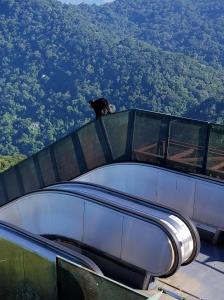
 We left the hotel at 7:20 AM to visit the Christ the Redeemer statue. This is a very popular attraction here in Rio de Janeiro and being on the first tram means the crowd is much smaller than later in the day. Unfortunately, the escalator was not working so we had to climb the 220 steps up to the monument. There is an alternative route to the tram—a two mile hike up the mountain which, had I not been with a tour, I may have considered. As you can see, the view of the harbor from the mountain top in breathtaking. The monument itself is magnificent, 98 feet high, excluding its 26 foot pedestal. The arms stretch 92 feet wide and it is covered with six million stone tiles. We were told that most of the tiles have messages written on the backside by the workers who installed them. While up there, I saw several monkeys cavorting on the railings but, unfortunately, they were somewhat camera shy and refused to sit still for me.

 After leaving Christ the Redeemer, we were driven around the city for about an hour which basically just reinforced my initial impression that the slums are everywhere. Incredibly, some of the best views of the ocean are from the favelas.
 Back at the hotel, I indulged myself with another cup of coffee and then took off for a long walk on the promenade. The sidewalk mosaic is laid with black and white waves which I was told represent the White Europeans and the Black African slaves, whose history is intertwined in Brazil. While not necessarily interwoven, they do intermingle, each influencing the other. Then, within the black and white lines, you see pockets of red, representing the indigenous peoples of Brazil. They were engulfed by the Europeans and slave populations around 1500, remaining isolated but influenced by the presence of others.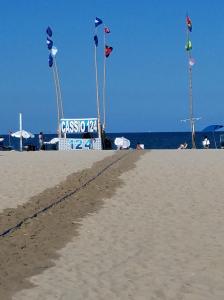
 Meandering Catie